Parking and loading on North Woolwich Road: removals tips
Posted on 10/06/2026
Moving day can feel simple in theory. Boxes are packed, the van is booked, and you tell yourself, "How hard can the loading bit be?" Then you arrive at a busy road, realise the kerb space is tighter than expected, and suddenly the whole plan starts wobbling. That is exactly why parking and loading on North Woolwich Road matters so much for removals. A good loading plan saves time, protects furniture, keeps everyone calmer, and reduces the chance of awkward last-minute shuffling in traffic. In this guide, we will walk through the practical side of using North Woolwich Road for a move, from timing and vehicle positioning to safety, communication, and the little details that make the day run smoother.
Why Parking and loading on North Woolwich Road: removals tips Matters
North Woolwich Road is one of those routes where a move can be straightforward one minute and frustrating the next. You may have a good van, decent weather, and a solid packing plan, but if the vehicle cannot stop legally and safely near the property, everything slows down. That matters even more for flats, upper-floor moves, and furniture that needs careful handling. A sofa carried an extra 40 metres in drizzle at 8am is nobody's favourite start to the day.
For removals, parking is not just about convenience. It affects access, walking distance, item safety, and how long the job takes. It also shapes the mood of the whole crew. If the van is badly placed, you get more lifting, more back-and-forth, and more chance of bumping walls, railings, or other parked vehicles. In our experience, people underestimate how much time is lost by poor positioning. It is rarely dramatic. It just quietly adds up.
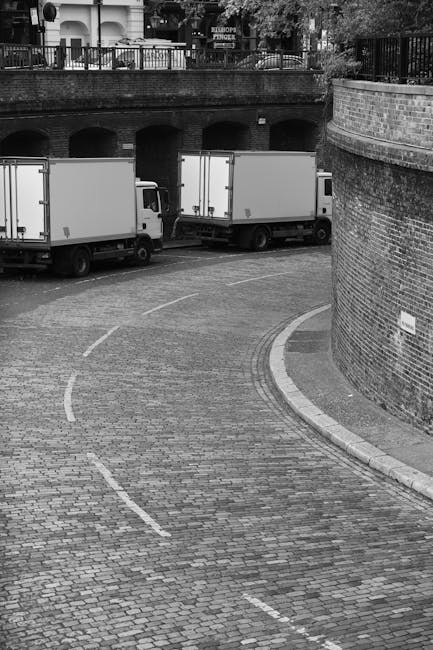
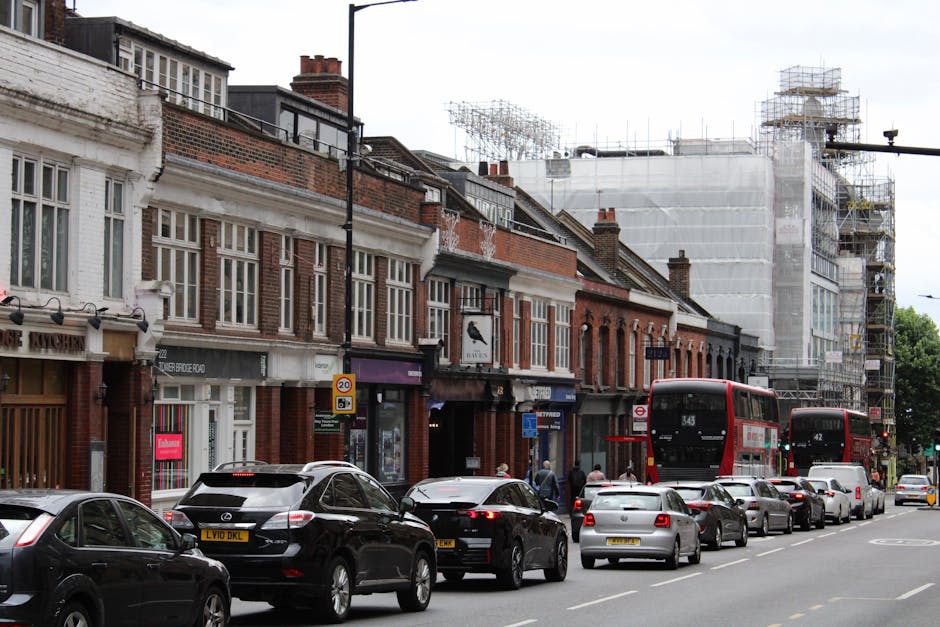
There is also the local reality of London roads. Traffic flow, resident parking, loading bays, crossings, and daytime busier periods all influence the move. You do not need to obsess over every detail, but you do need a plan. That is the difference between a move that feels controlled and one that feels like a sprint while carrying a kettle, which, to be fair, no one needs.
How Parking and loading on North Woolwich Road: removals tips Works
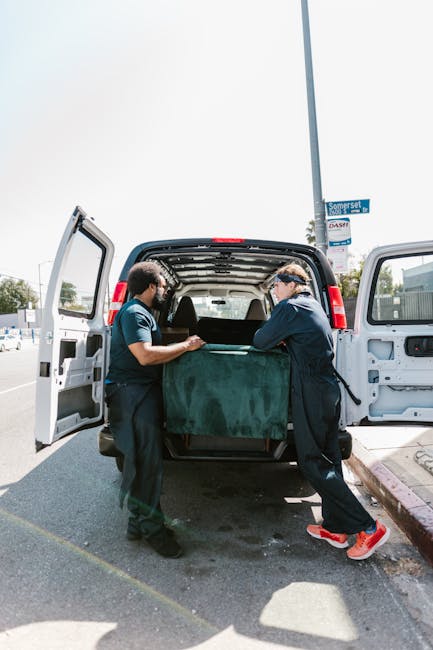
The basic idea is simple: get the removal van as close as possible to the property, keep the loading route short and clear, and avoid blocking traffic or creating risk. In practice, there are a few moving parts. The driver needs enough room to manoeuvre. The doorway to the property needs to stay accessible. The loading area needs to be safe for people carrying awkward items. And everyone involved should know whether the stop is temporary, timed, or shared with other road users.
For many removals, the best arrangement is a short, planned loading stop close to the entrance, with one person managing the doorway and another loading the van. If there is no obvious space directly outside, you may need to use a legal loading bay, park a short walk away, or stagger the load so the heaviest items move first. This is where good packing and sorting beforehand really pays off. If you have already read about packing perfection for a house move, you will know why labelled boxes and room-by-room grouping make loading faster and less chaotic.
It also helps to understand the difference between parking and loading. Parking is leaving the vehicle stationary. Loading is the active process of putting items in or taking them out. In some places, a short loading stop may be allowed where parking would not be. The exact conditions vary, so the safest approach is to plan conservatively and keep the van moving once loading is complete.
For larger or more delicate items, it is worth treating the road space like part of the worksite. That mindset keeps people alert. If a piano, wardrobe, or heavy chest is involved, you may want to review specialised advice such as delicate piano moving guidance or tips for tackling heavy items safely before the day arrives.
Key Benefits and Practical Advantages
Good loading arrangements are not just about avoiding hassle. They create real, practical wins.
- Less carrying distance: Shorter trips between the property and the van reduce fatigue and the chance of drops.
- Faster turnaround: A well-placed van means fewer wasted steps and smoother sequencing of items.
- Lower damage risk: The less you juggle furniture around corners or through crowded pavements, the safer it is.
- Better safety: Clear loading zones reduce trip hazards, rushed lifts, and awkward passing around pedestrians.
- Less stress: A move feels more manageable when the vehicle is where it should be, not where it somehow ended up after three manoeuvres and a bit of luck.
There is also a subtle benefit that people sometimes forget: better parking improves communication. When the van is set up properly, the team can focus on moving. Nobody is wandering back and forth asking where the next box should go. That sounds small, but on a damp London morning it makes a real difference.
If your move involves storing items temporarily, planning access properly also helps you decide what should go straight to the new place and what should be placed into storage. Our guide to storage options in Silvertown can be useful if your move is happening in stages.
Who This Is For and When It Makes Sense
This topic matters to almost anyone moving along or near North Woolwich Road, but especially to people with limited on-street space, a lot of furniture, or a tight moving window. If you are moving out of a flat, carrying appliances, or trying to complete a same-day move, parking becomes part of the strategy rather than an afterthought.
It is also relevant if you are moving with children, older family members, or limited help on site. The fewer times people have to step into the road or wait with heavy items, the better. Students moving from compact flats, office teams shifting equipment, and families with awkwardly sized furniture all benefit from careful loading planning. A smaller van can sometimes work better than a large one if access is awkward, while a larger van may reduce the number of trips if space is available.
Truth be told, this is one of those topics that looks boring until it saves the day. Then it feels very important, very quickly.
If your move is especially time-sensitive, you may also want to look at same-day removals support or compare man with a van help with a more fully managed house removals service. The right choice depends on access, volume, and how much lifting you want to handle yourself.
Step-by-Step Guidance
Here is a practical sequence that tends to work well for removals around North Woolwich Road. It is not fancy, but it is reliable.
- Check the access at both ends. Look at the property entrance, road width, kerb space, nearby junctions, and any awkward bends. Ask yourself: can a van stop without causing a bottleneck?
- Decide what needs to be closest to the van. Heavy items, fragile items, and anything awkwardly shaped should be prioritised so they do not get carried twice.
- Separate the load into categories. Keep boxes, furniture, bedding, and special items grouped. If you need a refresher on bed transport, moving your bed and mattress without stress is a handy reference.
- Assign roles before the van arrives. One person should guide the load, one should handle the door or lift, and one should move items into the vehicle. Too many people trying to help at once can become oddly chaotic.
- Keep the route clear. Move bins, door mats, loose cables, and anything else likely to trip someone. A clear route matters more than a heroic lift.
- Load heavy items first, unless the plan says otherwise. Often the heaviest items go in first, near the front of the van and low down, so the load stays stable.
- Secure gaps as you go. Blankets, straps, and soft items should be used to reduce movement inside the van.
- Do a final sweep before departing. Check cupboards, loft access, under beds, and behind doors. The last box is always the one people almost forget.
If you are keen to keep the whole move calm, it is worth pairing this with advice from calm, stress-free moving guidance. The planning side and the access side work together. One without the other is only half a job.
Expert Tips for Better Results
The small decisions often make the biggest difference on moving day. Here are the details that experienced movers pay attention to.
- Time your arrival carefully. Early starts can help, but they are only useful if the building, road, and lift access are ready. Sometimes a slightly later, cleaner window is better than rushing in half-awake.
- Use a spotter outside the van. Someone watching for traffic, pedestrians, and tight turning space is worth their weight in tape rolls.
- Keep fragile items separate from the first wave of loading. When the van is half-empty and everyone is still finding their rhythm, fragile boxes are best handled with extra care.
- Think in terms of shortest path, not just nearest space. A parking spot a little further away can be worse than a slightly less obvious stop if it adds awkward turns or stairs.
- Protect doorframes and floor edges. Even a brief knock can chip paint or leave marks, so use blankets or edge protection where needed.
- Prepare for weather. Rain changes everything. Surfaces get slick, cardboard weakens, and patience starts to thin. Keep covers ready.
A quick aside: if you have ever watched a mattress try to turn a corner on a windy day, you know why planning matters. It can develop a life of its own. Slightly dramatic, but not wrong.
For awkward or oversized items, it may help to review specialist support. A safe lifting technique is not just about strength; it is also about timing, grip, and confidence. The pages on kinetic lifting and injury prevention and moving heavy items without help are especially useful if you are doing some of the work yourself.
Common Mistakes to Avoid
Most moving-day problems are predictable. The tricky part is that they feel minor at first.
- Assuming the van can stop anywhere. A convenient space is not always a legal or safe one.
- Leaving loading until the last minute. That usually leads to rushed carrying, less secure packing, and more stress.
- Ignoring the walking route. A short parking gap can become a long problem if the route includes steps, narrow gates, or uneven paving.
- Overloading the front of the van. Heavy items should be arranged to preserve balance and keep fragile items safe.
- Failing to brief the household. If everyone has a different idea of what happens first, the day gets messy very quickly.
- Forgetting end-of-tenancy tasks. A move is not really finished until the property is cleared and left properly. If you need a practical reference, move-out house cleaning guidance is worth a look.
Another common miss? Not sorting items by destination room. The result is a pile of boxes inside the property and nobody quite knows where to put the kettle. It is funny for about thirty seconds, then less so.
Tools, Resources and Recommendations
You do not need a warehouse of equipment, but a few sensible tools will make loading much easier.
- Removal blankets: Helpful for protecting furniture, doors, and appliance surfaces.
- Ratchet straps or load straps: Useful for keeping larger items stable in transit.
- Gloves with a good grip: Better handling, less slipping, and a bit more confidence.
- Trolleys or sack trucks: Excellent for heavier loads where the route allows it.
- Floor protection: Cardboard, covers, or runners can reduce damage in hallways and entrances.
- Labels and a marker: Simple, old-fashioned, and genuinely effective.
On the planning side, a strong removals checklist can be paired with packing advice from packing and boxes support. If furniture needs special treatment, especially when you are deciding what to move now and what to keep back, furniture removals help can be a sensible option. And if the job is office-based rather than domestic, office removals assistance usually brings a different loading rhythm altogether.
For some households, the best resource is not extra gear but a simpler load plan. Declutter first, move less, and the parking problem becomes much easier. Our article on pre-move decluttering strategies fits neatly here.
Law, Compliance, Standards, or Best Practice
Without getting too formal, there are a few things to keep in mind. Roadside loading should always be approached with safety and local rules in mind. That means checking whether a space is legal for stopping, not blocking entrances or crossings, and not creating unnecessary risk for pedestrians or other drivers. If a bay or waiting restriction applies, follow it. If a stop looks tight, it probably is.
For removals, best practice usually means keeping the loading process as short, controlled, and visible as possible. Use a second person if the location is busy. Keep items inside the vehicle secure. Make sure the van is not left with doors open where they could swing into traffic. If you are handling heavier pieces, use proper manual handling methods and do not take silly shortcuts. Your back will not thank you, and neither will your week.
From a customer-service point of view, it is also sensible to understand terms, insurance, and service scope before moving day. That can prevent confusion about what is included, what happens if plans change, and how any issues are handled. Useful references include insurance and safety information, terms and conditions, health and safety policy, and complaints procedure. If you are comparing providers, pricing and quotes can help you understand the commercial side more clearly.
And yes, it is always worth keeping paperwork tidy. Not exciting. Very useful.
Options, Methods, or Comparison Table
When planning parking and loading on North Woolwich Road, you usually have three practical approaches. Which one is best depends on the property, time of day, and how much furniture you are moving.
| Approach | Best for | Advantages | Possible drawbacks |
|---|---|---|---|
| Direct outside stop | Short moves, clear frontage, quick loading | Fastest route, least carrying, easiest communication | May be limited by road space, traffic, or restrictions |
| Nearby legal bay or wider stop | Busier roads, buildings with limited frontage | More likely to be lawful and practical; can reduce congestion | Longer carry distance; may need more labour and time |
| Staged loading with a smaller van | Tricky access, narrow approaches, flats, or split moves | Often easier to manoeuvre; flexible for awkward access | May require more trips or careful sequencing |
There is no single perfect answer. If access is tight, a smaller vehicle can actually be the smarter choice. If volume is high and space is available, a larger van may save time. The best plan is the one that reduces drag on the day, not the one that sounds best in theory.
For local context, articles such as removals for narrow streets, van tips for moving out of Pontoon Dock, and moving from Royal Victoria Dock offer useful nearby perspective. They are not identical situations, of course, but the access lessons overlap nicely.
Case Study or Real-World Example
Imagine a second-floor flat move near North Woolwich Road on a weekday morning. The household has a sofa, a double bed, a few heavy drawers, boxes of kitchenware, and several bags of soft items. The street is active, parking is limited, and the front access is only wide enough for one person at a time.
The team starts by separating fragile boxes from heavy furniture. The van is positioned as close as possible without causing a problem for traffic or nearby driveways. One person stands outside as a spotter while another clears the path from the door. The sofa is wrapped, carried first, and loaded flat. The mattress follows, then the drawers, then the boxes, and finally the soft bags that can be tucked into smaller spaces.
The key change is not the lifting itself. It is the rhythm. Because the loading point was thought through in advance, there was no need to keep re-parking, no confused pile-up in the hallway, and no awkward pause while someone hunted for the tape. The move still took effort - of course it did - but it felt controlled. That is usually the goal.
If the flat had needed temporary holding space, it would have made sense to review flat removals support alongside storage options. For a piece like a piano, or other specialist item, the loading plan should be adjusted even further and the lead-in route checked twice.
Practical Checklist
Use this before the van arrives. It is simple, but it catches a lot of avoidable issues.
- Confirm the move date, arrival window, and access plan.
- Check whether the stop is legal, safe, and practical for loading.
- Measure any awkward furniture and note door widths or steps.
- Label boxes by room and priority.
- Keep essentials separate: documents, keys, chargers, snacks, water.
- Protect corners, floor surfaces, and doorway edges.
- Have straps, blankets, and gloves ready.
- Assign roles for lifting, guiding, and watching traffic.
- Load the heaviest and most awkward items first.
- Do a final walk-through of the property before leaving.
- Keep your phone charged and your moving contact details handy.
- Allow a little extra time. Just in case, because moves rarely run like clockwork.
If you are still in the planning phase, stress-free moving advice can help you keep the bigger picture under control. And if the move is part of a wider life reset, the decluttering guide and storage options are worth keeping close.
Get a free quote today and see how much you can save.
Conclusion
Parking and loading on North Woolwich Road is one of those moving details that rewards good planning more than brute force. Get the stop right, and the rest of the removal tends to feel easier. Get it wrong, and even a small move can turn clumsy and tiring. The good news is that the fix is rarely complicated: check access early, sort the load carefully, keep the route clear, and use sensible moving practice from start to finish.
Whether you are moving a flat, a family home, or a few heavy pieces, the same idea holds true. A short, safe, well-timed loading plan beats a rushed one every time. And honestly, a calmer move just feels better. You notice it in the pace, the sound of the van doors, even the way everyone exhales once the last box is on board.
Take your time, plan the stop, and the day is far more likely to go your way.