Man with van in Silvertown for local home and business moves

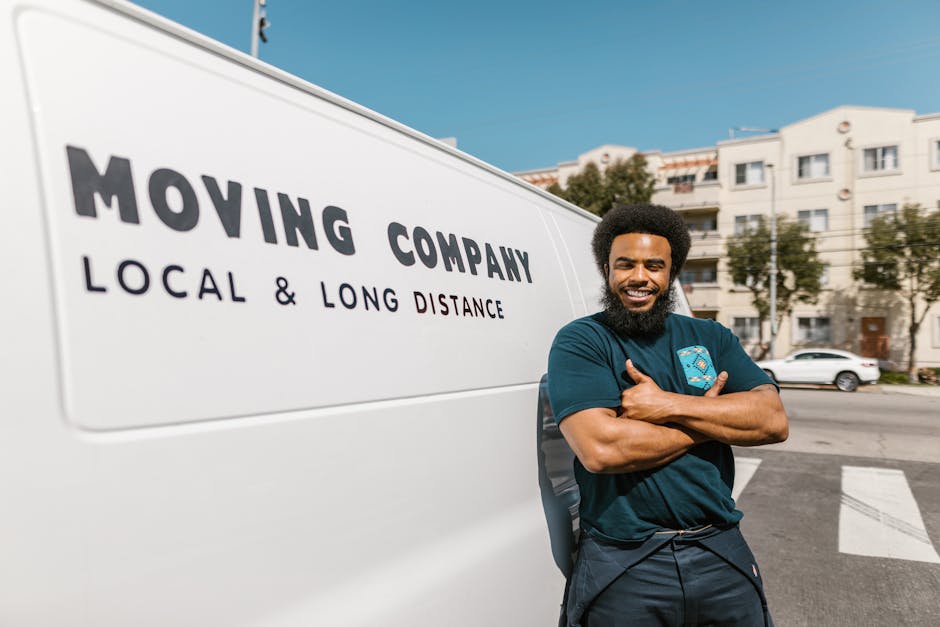
Our man with van service in Silvertown is set up for straightforward removals, single-item transport and flexible moving support when you need a practical vehicle and careful loading rather than a full-scale removal crew. It suits flat moves, urgent collections, furniture transport and light commercial work, with each job handled according to the space, access and items involved. The aim is simple: move belongings safely, keep the process organised and make the day feel manageable from the first load to the last drop-off.
If you are comparing options, our man with van service gives a useful overview of the core transport option, while the wider removal services page explains how smaller and larger jobs can be approached in one place. We also provide home moves support for domestic relocations, so a booking can be matched to the size of the property, the number of rooms and the amount of carrying involved.
For some customers, the most useful part of the job is not the vehicle itself but the way everything is sequenced. Items can be grouped by room, protected before lifting and loaded in an order that helps with unloading at the other end. Careful handling, sensible planning and direct communication matter as much as the journey, especially where access is tight, parking is limited or the contents include awkward items that need a bit more thought.
Domestic moves and furniture transport
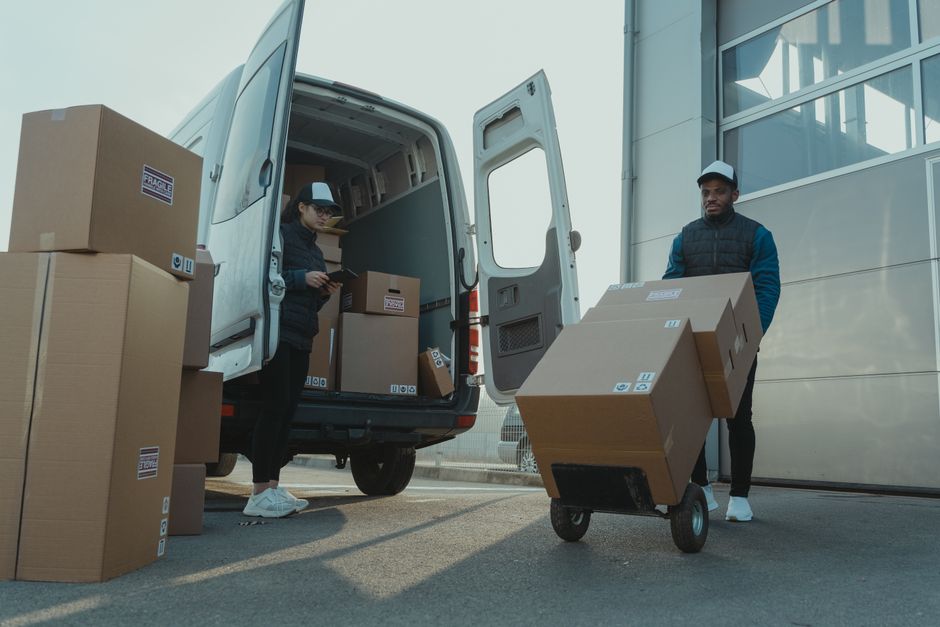
We handle domestic transport for people who need help moving part or all of a home, whether that involves a few pieces of furniture, boxes from a flat, or the contents of a small house. The service is useful when a full removal package would be more than is needed, but you still want items carried securely and arranged with care. Sofas, beds, chests of drawers, white goods and boxed belongings can all be moved as part of a planned collection and delivery.
When space is limited or access is awkward, the approach can be adjusted to suit the property. Narrow stairways, upper floors and shared entrances may call for a slower pace and more attention to loading order. If a client has already dismantled furniture, that can be worked into the move; if not, the transport still needs to account for shape, weight and safe stacking. For more focused furniture work, see furniture pick up and house removals, both of which reflect common domestic moving needs.
In practical terms, a good move often depends on the clarity of the brief. Useful details include what is being moved, whether there are stairs or lifts, and whether the destination has loading restrictions or limited waiting space. Accurate information helps the job run neatly, and it also supports the right vehicle choice. If you are ready to talk through a move, a plain enquiry is the best starting point.
Commercial moves and office relocation support

Small business transport and office relocation work often need a different rhythm from home removals. We can move desks, chairs, filing units, archive boxes and other workplace items with an eye on access times, building rules and the need to keep disruption controlled. That makes the service useful for studios, small offices, shared workspaces and other commercial settings where the load is modest but still needs careful handling.
The nature of a business move is often shaped by how much equipment must travel together. Some organisations only need archive or furniture transport; others have a mix of office contents, boxed stock and tools that need to be kept in order. Our commercial moves page covers that broader kind of work, while office removals is a better fit when the task is centred on desks, workstations and workplace furniture. If packaging and unpacking are part of the plan, packing and unpacking services may also be relevant.
Business customers often find it helpful to group items by area or by use before the move begins. That makes it easier to load in a sensible order and place essentials where they are needed at the destination. A short written list can be useful too, especially where a move includes both furniture and smaller items. Clear labelling is not complicated, but it saves time and confusion. When the scope is defined properly, the transport can be matched to the job rather than the other way round.
What the service can cover

Our man with van work in Silvertown can be adapted to many everyday moving jobs. It may involve a single sofa, a full set of flat contents, a collection from a shop or marketplace, or a transfer between storage and a home. Because the service is built around practical transport, it is often chosen for jobs that need flexibility more than formality. The result should be a move that feels simple, direct and well managed.
Typical jobs may include transport for beds, wardrobes, washing machines, tables, office chairs, boxed documents and mixed household items. It can also suit moves where a larger vehicle would be unnecessary. Where an item is heavy or awkward, the loading plan matters as much as the journey itself. For broader moving options, see moving van, moving truck and removal van, which indicate different vehicle-led approaches within the same general trade.
There are many situations where a smaller removal service is the sensible choice. A student flat, a studio apartment, a short-notice transfer or a furniture collection may not need elaborate scheduling, but they still need care. The work is easier when paths are clear, parking is considered in advance and the main items are listed plainly. That helps the move stay orderly and avoids unnecessary lifting or repeated handling.
How to prepare for a smooth collection
A well-prepared move usually begins with the right information. If you are asking for a quotation, it helps to note the start point and destination, the type of property, floor levels, access details and a rough list of items. Photos can be useful for bulky furniture or mixed loads, especially where doorways, staircases or tight corners may affect carrying. If any items need dismantling, disconnection or special handling, that should be mentioned early.
It is also sensible to think about how the load will be ready on the day. Boxes should be closed properly, loose parts grouped together and fragile items separated where possible. If you are moving from a flat, shared building or managed site, check whether there are loading times, lift bookings or parking limits that may affect the schedule. The most useful bookings are often the simplest ones to assess because the important details are already clear. Preparation is about reducing uncertainty, not creating more admin.
For quote-led pages and pricing information, our pricing and quotes page is the most relevant place to start. If you also want to understand how bookings are handled, the practical details on contact us can help you take the next step without guesswork. A concise request is usually enough to begin the conversation.
Furniture, single items and small clearances

Not every job is a full move. Many requests are for one sofa, a mattress, a table, a wardrobe or a small batch of household items that need collecting and delivering safely. That is where a man with van service is especially useful: it gives customers a flexible way to move specific items without arranging a larger removal operation. It can also support small clearances where goods are being removed from a property in an orderly way.
Single-item transport may sound simple, but the shape, weight and finish of the item still matter. Glass, polished timber, flat-packed units and older furniture all benefit from sensible protection and loading order. For collections and deliveries that are mainly item-based, a related page such as furniture pick up can be a useful guide. If the job is broader and includes mixed household contents, removals provides a wider overview of moving work.
Customers often choose this kind of service when they want something practical rather than elaborate. The key decision is whether the job is mainly about transport, carry-in and carry-out, or whether there are added tasks such as packing, dismantling or arranging multiple stops. Once that is clear, it is easier to match the vehicle and the time needed to the job in hand.
Understanding vehicle choice and load size
Different moves call for different approaches, and vehicle choice is part of that. A compact load may fit neatly into a smaller moving vehicle, while a roomier job may need more space for stacked boxes, larger furniture or mixed contents. The aim is not to overcomplicate the booking but to make sure the load can be carried safely and arranged so it stays stable in transit. That is especially useful when items cannot be stacked freely or need to remain upright.
We also recognise that some customers are comparing several service types at once. Pages such as man and van removals, man with a van and movers reflect closely related searches, but the practical question is the same: what is being moved, how much space is needed and what help is required at each end? In many cases, the answer comes down to a combination of item count, access and handling requirements.
If the load is unusual, it is better to describe it plainly than to guess. Mention any oversized furniture, particularly heavy pieces, or items that may need extra wrapping. Good moving decisions are often made before the van arrives. That is why a clear list, even a short one, is often more useful than general descriptions such as “a few things†or “some furnitureâ€.
About Silvertown
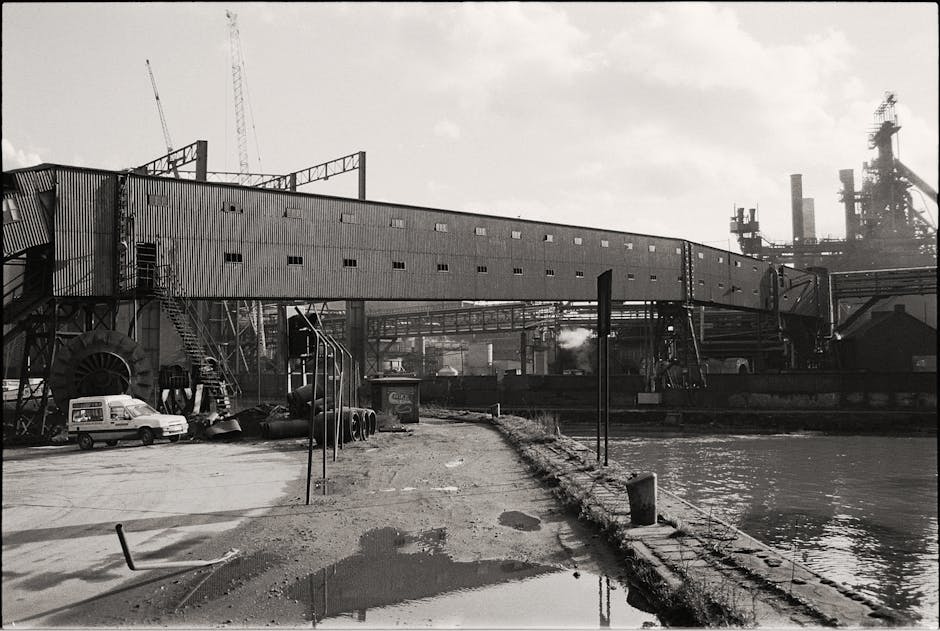
Silvertown is an area in the London Borough of Newham, on the north side of the River Thames and within the wider Royal Docks district. Its name is strongly associated with nineteenth-century industrial expansion, especially the development of the Tate & Lyle sugar refinery, which became one of the area’s best-known landmarks. The riverside setting shaped much of Silvertown’s history, with docks, warehouses and transport links supporting trade and manufacturing across the eastern side of London. Over time, much of the original industrial landscape changed, yet traces of that past remain in building names, plot patterns and the continued presence of large-scale regeneration. The area sits close to London City Airport, the ExCeL exhibition centre and the Docklands Light Railway network, which together underline its role as a connected part of east London rather than an isolated riverside pocket. Green and waterside spaces nearby include Royal Victoria Dock and stretches of the Thames Path, while local streets and developments show a mix of older industrial fabric and newer residential construction. As with many parts of the Docklands, Silvertown combines working heritage with contemporary housing and redevelopment, giving the district a character that is both practical and changing. Its position beside the river and near major infrastructure has long influenced the way the area functions, from goods movement in the industrial era to its current blend of homes, workplaces and transport connections. The result is a place with a clear identity rooted in east London’s dockland history and a continuing role in the city’s wider pattern of growth.
Planning around access, timing and handling

Good moving work is often about timing and access as much as vehicle capacity. Stairways, lift access, narrow hallways and loading bays can all affect the order in which items are carried. It is sensible to mention these points when asking for a quotation, because they may influence how long the job takes and whether a second pair of hands is helpful. The more precise the information, the easier it is to organise the move sensibly.
Some jobs also involve more than one stop, such as a collection from storage followed by delivery to a new home, or a pickup from a seller before onward transport. That can usually be managed, but it is best planned in advance so the route and load sequence make sense. If there are delicate items, it may help to set them apart from the general load rather than mixing everything together. For broader removal support, house removalists and house movers are useful pages to compare with the transport-first service on offer here.
When you are ready to request a quotation, a short summary of the job is usually enough to begin. Include the moving date, item list and addresses, then add any details about parking, stairs or special handling. That gives the team a practical basis for planning, and it helps keep the process focused on what actually needs to be moved. If you would like to discuss the job, contact us is the place to start.
Why a flexible moving service can be the right fit
Some customers need more than a courier and less than a full removal package. In those cases, a flexible man with van service provides a useful middle ground. It can handle moving tasks that are too bulky for a normal car and too small to justify a larger team. That makes it suitable for straightforward domestic transport, practical business moves and furniture collections where care matters more than scale.
There may also be occasions where the job is shaped by the contents themselves. Boxes of stock, filing, equipment, household pieces and replacement furniture all call for slightly different handling, even when they travel on the same route. If you are reviewing related options, man and van, removal company and removal companies each present another way of thinking about moving support. The best choice depends on the load, the level of help needed and the degree of flexibility required.
For a clear and efficient enquiry, keep the request direct and relevant: what is moving, where it is going and whether any access issues need to be considered. That is usually enough to get the conversation started and to help the service be shaped around your needs rather than a fixed template.
Service details, preparation and next steps
If you want a man with van in Silvertown for a home move, a small office transfer or a single-item collection, the best next step is to outline the job plainly and request a quotation. We can then consider the right vehicle size, the likely handling needs and any access issues that may affect the move. For customers comparing service pages, man with van removal, removals van and about us may also be relevant depending on how much transport support is needed.
Some moves are mostly about transport, while others need a blend of carrying, loading and careful placement. Either way, a sensible plan should make the day feel organised rather than rushed. If items are fragile or unusually heavy, say so early. If the route includes upper floors, parking limits or timed access, mention that too. A good brief is the simplest way to keep the work efficient, and it gives the right starting point for a realistic quote.
To move forward, send through the essentials and ask for a quotation when you are ready. Whether the job is domestic or commercial, short or slightly more involved, the service is intended to give you practical help with the transport itself and the confidence that the load will be handled with care.