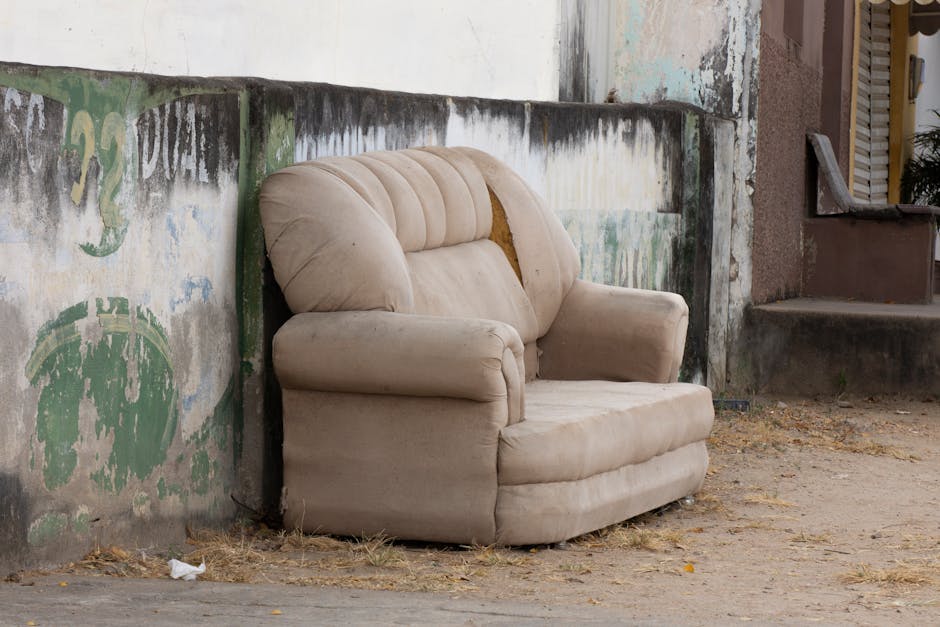
Bulky waste removals in E16: sofa and mattress disposal
If you have an old sofa blocking the hallway or a mattress that has quietly outstayed its welcome, you are not alone. Bulky waste removals in E16: sofa and mattress disposal is one of those jobs that looks simple at first, then suddenly turns awkward: tight stairwells, heavy lifting, awkward corners, and the nagging question of what happens next. In Silvertown and the wider E16 area, people often need a quick, tidy, and responsible way to clear large household items without turning the whole place upside down.
This guide explains how bulky waste collection and furniture disposal really work, what to expect, how to avoid common mistakes, and when a professional removal service makes life much easier. We will keep it practical and local, with the kind of detail that helps when you are standing there in front of a sofa that will not budge. Truth be told, that is usually the moment people decide they want a bit of help.
Table of Contents
- Why Bulky waste removals in E16: sofa and mattress disposal Matters
- How Bulky waste removals in E16: sofa and mattress disposal Works
- Key Benefits and Practical Advantages
- Who This Is For and When It Makes Sense
- Step-by-Step Guidance
- Expert Tips for Better Results
- Common Mistakes to Avoid
- Tools, Resources and Recommendations
- Law, Compliance, Standards, or Best Practice
- Options, Methods, or Comparison Table
- Case Study or Real-World Example
- Practical Checklist
- Conclusion
- Frequently Asked Questions
Why Bulky waste removals in E16: sofa and mattress disposal Matters
Large items are not just inconvenient; they can become a real obstacle in day-to-day life. A worn-out sofa can make a living room feel cramped, while a mattress that needs replacing can delay a move, a deep clean, or even the simple act of reclaiming a spare room. In E16, where flats, new-build layouts, shared properties, and access restrictions are common, bulky item removal is rarely as straightforward as carrying something to the kerb.
There is also the practical side. Sofas and mattresses are awkward shapes, often heavier than they look, and they can be difficult to manoeuvre without risking injury or damage to walls, floors, or door frames. That little scuff on the stairwell? It is usually the kind of thing you notice after the item has already caught on the turn. Not ideal.
Responsible disposal matters too. You may be trying to reduce clutter, prepare for a move, or replace furniture that is no longer usable. In each case, the goal is not just to get rid of the item quickly, but to handle it in a way that is safe, lawful, and sensible. A clean exit is better than a rushed one.
For households already juggling packing, storage, or end-of-tenancy tasks, it can help to coordinate furniture clearance with broader moving plans. If that sounds familiar, useful related reading includes pre-move decluttering strategies for minimalist living and how to keep a house move calm and organised.
Practical takeaway: if your sofa or mattress is hard to move, hard to fit through the building, or hard to dispose of correctly, getting the removal plan right from the start saves time, stress, and unnecessary lifting.
How Bulky waste removals in E16: sofa and mattress disposal Works
The process is usually simpler than people expect, but it works best when you understand the sequence. In general, bulky waste removal involves assessing the item, confirming access, arranging collection, lifting and loading the item safely, then taking it for appropriate disposal, reuse, or recycling where possible.
Typical sofa and mattress removal flow
- Identify the item clearly. Note whether it is a two-seater sofa, corner sofa, sofa bed, king-size mattress, ottoman base, or a combination of items.
- Check access. Look at stairs, lifts, narrow hallways, parking restrictions, and whether the item can be carried without dismantling.
- Prepare the item. Remove cushions, bedding, throws, and loose accessories. If the item is being reused or stored, keep it clean and dry.
- Arrange collection. Choose a time that works with your day, building access, and neighbour considerations. Early morning can be useful in busy streets, though not everyone loves the sound of moving furniture at 7 a.m.
- Lift and load carefully. Use proper handling methods, protective equipment where needed, and enough people for the weight and shape of the item.
- Route the item responsibly. Good removal services prioritise recycling and proper disposal rather than dumping.
In E16, the access part often decides everything. A sofa may fit in the lounge beautifully but still refuse to turn at the stair landing. A mattress can seem light until you try to bend it around a tight corridor. If you want more guidance on awkward handling, see how to tackle heavy items without help and safe lifting and injury prevention tips.
Sometimes, the item is not going straight to disposal. If the sofa is still usable, some customers choose short-term storage first while they decide whether to donate, sell, or replace it. That is where a service like storage in Silvertown can be a sensible bridge rather than a rushed decision.
Key Benefits and Practical Advantages
People usually start with the obvious benefit: you get the item out of the house. Fair enough. But there are a few less obvious advantages too.
- Less physical strain: sofas and mattresses are cumbersome, and moving them badly can cause back, shoulder, or grip injuries.
- Cleaner, tidier spaces: removing a bulky item instantly opens up a room and makes cleaning much easier.
- Less disruption to neighbours: a planned removal is calmer than dragging furniture through shared corridors at the last minute.
- Better use of property: empty rooms are easier to rent, redecorate, or stage for sale.
- Responsible disposal: reputable services separate recyclable materials where possible and handle waste properly.
- Time saved: no repeated attempts, no hired van you are not sure how to load, no awkward reshuffling in the rain.
There is also a trust factor. When bulky items are handled by a team used to removals, you do not have to improvise. That matters in narrow E16 access points, shared apartment blocks, or post-move situations when you are already tired and a bit fed up. We have all had those days.
For sofas in particular, it helps to remember that not every "old" sofa is useless. Some can be repaired, stored, or kept in a spare room if you are not ready to let go. If that sounds relevant, this sofa storage care guide is worth a look.
Who This Is For and When It Makes Sense
Bulky waste removals in E16 are a good fit for a wide mix of situations. It is not just for people doing a big house clear-out. In practice, it often suits anyone facing one or more awkward large items and a time limit.
Common scenarios
- End-of-tenancy moves: you need the property cleared and cleaned quickly.
- Replacement of worn furniture: the new sofa or mattress is arriving, and the old one must go.
- Flat moves: there is limited storage, and bulky items do not need to come along.
- Student moves: shared housing often means tight deadlines and limited muscle on hand.
- After a renovation: old furniture no longer matches the room or layout.
- Family clearances: when a relative's home needs sorting, a methodical approach is far less stressful.
It also makes sense if your building access is awkward. E16 has plenty of modern developments and waterfront properties where lifts, entry codes, parking, and shared corridors all need to be considered. If you are dealing with that sort of layout, you may find removals for narrow streets and tricky access especially relevant.
And yes, it makes sense when you simply do not want to risk it yourself. That is a completely reasonable decision. A mattress does not care how determined you are on a Tuesday evening.
Step-by-Step Guidance
If you want the process to go smoothly, it helps to treat sofa and mattress disposal like a small project rather than a last-minute chore. Here is a practical way to approach it.
1. Decide what is going
Be specific. Is the item definitely waste, or could it be sold, donated, stored, or reused? A sofa with a broken frame may be waste, but a mattress protector, cushions, or a matching armchair may still be useful elsewhere.
2. Measure the item and the route out
Measure width, height, and depth. Then check doors, hallways, stair turns, lifts, and any narrow external paths. This step saves arguments with doorframes later. It also stops the classic "It'll fit if we tilt it" optimism, which is usually where trouble starts.
3. Clear the surrounding space
Move side tables, lamps, baskets, and loose items away from the route. Even a small obstruction can make carrying a heavy item much more difficult.
4. Protect the property
Use blankets, corner guards, or floor protection if the item is likely to brush walls or scuff surfaces. This is especially useful in flats with freshly painted communal areas.
5. Prepare the item
Take off loose cushions, dismantle removable sections if appropriate, and wrap the mattress if it is being transported through a clean shared space. If the sofa contains detachable legs, remove them where practical.
6. Arrange the right help
Choose enough people to handle the size and weight of the item safely. A heavy corner sofa is not the place for overconfidence. For deeper guidance on body mechanics and safe handling, these lifting principles are a useful reference.
7. Load and transport carefully
Items should be carried with balance in mind, especially around stairs and door frames. Mattresses can catch on edges, and sofas can twist in awkward ways if only one person is supporting the weight properly.
8. Confirm the disposal route
Ask how the item will be handled after collection. Where possible, a responsible route should include reuse or recycling, not just disposal. If sustainability matters to you, this is a good point to check the provider's approach and expectations.
People often forget the post-removal step: the room itself. Once the bulky item is gone, give the area a proper clean. If the item was near a move-out date, this can save you a rushed final day. A helpful companion guide is move-out house cleaning.
Expert Tips for Better Results
After handling plenty of awkward furniture jobs, a few habits consistently make the difference between a smooth clearance and a messy one.
- Book before the deadline. If you are moving out or expecting delivery of a replacement item, do not leave disposal until the afternoon before.
- Tell the truth about the item's condition and size. A "normal sofa" can become a very different thing when it turns out to be a large corner unit with fixed arms.
- Check access from the kerb to the room. Not just the front door.
- Keep an eye on weather. Rain can make mattresses, fabric sofas, and hallway floors a nuisance to manage.
- Use the right vehicle for the job. A compact van may be enough for a single mattress, but a larger sofa load may need more space. The right removal van in Silvertown can save two trips and a lot of muttering.
- Ask about same-day availability if time is tight. This is especially helpful when you have a key handover looming.
A small but useful tip: keep the item near the exit only when the route is genuinely clear. It sounds obvious, but people often stage the sofa too early and then have to move it back because someone still needs to get through the hallway. Annoying, and very avoidable.
If you are trying to make the whole moving day feel less frantic, this guide on calm and stress-free house moving fits nicely alongside bulky item planning. Planning does not remove the stress completely, but it trims away a lot of the nonsense.
Common Mistakes to Avoid
A lot of sofa and mattress disposal problems come from rushing, guessing, or underestimating the physical awkwardness of the task. The item itself is only half the issue; the route, timing, and handling matter just as much.
- Forgetting measurements: this is the big one. If the item does not fit through the route, the job stops before it starts.
- Assuming all bulky waste can go to the same place: different items may need different handling, especially if they are suitable for recycling or reuse.
- Leaving it until the last minute: this creates pressure, and pressure leads to mistakes.
- Trying to lift without enough help: if the item is awkward or heavy, do not make a heroic attempt on your own.
- Ignoring communal access rules: some buildings have strict moving windows or loading restrictions.
- Not protecting flooring or walls: a tiny nick can turn into a landlord conversation you did not want.
There is also the emotional mistake of over-attaching to the schedule you wish you had. Real life is messy. Sometimes the van arrives, the mattress is bigger than expected, and everyone just has to take a breath. That is normal. The key is to keep the process organised enough that the mess stays manageable.
Tools, Resources and Recommendations
You do not need a warehouse of gear to dispose of bulky furniture well, but a few tools make the job safer and less stressful.
| Tool or Resource | Why It Helps | Best Use Case |
|---|---|---|
| Furniture sliders | Reduce friction on floors and make short moves easier | Moving a sofa within the same room or across a short hall |
| Straps or lifting aids | Improve grip and distribute weight more evenly | Carrying large items down stairs or into a vehicle |
| Protective blankets | Limit scratches and scuffs | Shared hallways, painted walls, tight corners |
| Mattress cover or wrap | Keeps the mattress clean during transport | Moves through outdoor areas or communal access points |
| Measuring tape | Confirms fit before lifting starts | Checking doors, corridors, and van loading space |
| Removal service checklist | Keeps the job structured | End-of-tenancy clear-outs and planned collections |
For readers organising a broader move, a few related pages can also help. If you are packing around the disposal job, packing and boxes in Silvertown may help you stay orderly. If you are comparing general moving support, removal services in Silvertown and man and van services in Silvertown are useful starting points.
For people wanting a broader understanding of the company and how services are structured, the services overview and about us pages help set expectations. That matters more than it first sounds. A good removal job should feel calm, not mysterious.
Law, Compliance, Standards, or Best Practice
Bulky waste removal sits in an area where common sense and compliance meet. You do not need to be a legal expert to make good decisions, but you do need to avoid careless disposal. In the UK, waste should be handled responsibly, and anyone moving or removing items on your behalf should understand appropriate handling, transport, and disposal expectations.
In plain English, that means a few things:
- Do not dump items illegally. Fly-tipping causes obvious environmental and neighbourhood problems.
- Use a provider that understands safe handling. Heavy furniture and mattresses can injure people if lifted poorly.
- Expect proper disposal routes. Reuse and recycling should be considered where appropriate.
- Check insurance and safety practices. This is especially relevant in shared buildings and stair-heavy properties.
If you want reassurance around working practices, it is worth reviewing pages such as insurance and safety, the health and safety policy, and the recycling and sustainability approach. Those pages do not just tick boxes; they tell you how seriously a provider treats the job.
For general customer confidence and service expectations, you may also want to look at terms and conditions, payment and security, privacy policy, complaints procedure, and accessibility information. It may sound dry, but these are the pages that help you see whether a company is organised, transparent, and properly run.
One more useful note: if you are clearing furniture as part of a move, disposal timing can affect end-of-tenancy cleaning and final walkthroughs. That is why well-run removals tend to align with the wider moving plan rather than treating each task in isolation.
Options, Methods, or Comparison Table
There are several ways to deal with a sofa or mattress, and the right choice depends on condition, access, urgency, and budget. Here is a simple comparison to help you weigh it up.
| Method | Best For | Pros | Watch Outs |
|---|---|---|---|
| DIY disposal | Very small jobs with easy access | Can seem cheaper if you already have transport | Heavy lifting, time, risk of damage, disposal uncertainty |
| Council-style bulky collection | Planned clearances with flexible timing | Structured, recognised route | May involve waiting, booking rules, or item limits |
| Professional removal service | Awkward access, urgent jobs, multiple items | Fast, safer, less stress, often better for tricky properties | Cost may be higher than doing it yourself |
| Storage first, decide later | Items you may reuse or sell | Buys time and avoids rushed decisions | Extra cost and the temptation to delay indefinitely |
For many people in E16, the professional route is the most practical choice, especially if stairs, parking, or time pressure are involved. If the sofa or mattress is being cleared just before a bigger move, a service like house removals in Silvertown may be the better fit because it can sit alongside other moving tasks. Students and tenants with tighter schedules sometimes look at student removals in Silvertown or flat removals in Silvertown when the furniture clear-out is just one part of the job.
Case Study or Real-World Example
Here is a realistic example from the kind of situation people in E16 often face.
A couple living in a top-floor flat near the docks wanted to replace a tired three-seater sofa and a spring mattress before a move-out inspection. At first, they assumed they could carry the items down themselves over one evening. Then they checked the hallway and realised the sofa arms were wider than the turn at the stair landing. That changed things quickly.
Instead of forcing it, they measured the route, cleared the corridor, wrapped the mattress, and arranged a removal visit that matched their move-out schedule. They also separated the cushions and loose items ahead of time, which saved a surprising amount of fuss. The item was out, the room was clear, and the final clean was easier because dust and debris were no longer trapped under heavy furniture. Simple enough in the end, but only because they paused before the panic kicked in.
That sort of job also shows why local knowledge matters. E16 properties can involve lift bookings, access codes, loading restrictions, or narrow turning points around shared access routes. If your route feels awkward, a service familiar with local streets and building layouts can save a lot of time. For more location-specific context, you might also find moving out of Pontoon Dock, the Royal Victoria Dock removals guide, and Royal Albert Dock to London City Airport moves helpful for understanding the local moving landscape.
Practical Checklist
Use this checklist before collection day. It is short on purpose. No one needs a twelve-step drama when a sofa is involved.
- Confirm exactly which items are being removed.
- Measure all furniture and access points.
- Check whether the sofa needs dismantling.
- Remove cushions, bedding, and loose parts.
- Clear the route from the room to the exit.
- Protect floors, walls, and corners if needed.
- Check parking, lift access, and building rules.
- Decide whether the item should be disposed of, stored, or kept for reuse.
- Make sure someone is available to guide the removal if the access is tricky.
- Have the room ready for a final clean once the item is gone.
If your wider moving schedule is still in motion, a bit of structure helps. A quick read of packing perfection for your upcoming house move can help you coordinate the rest of the day without feeling scattered.
Conclusion
Bulky waste removals in E16: sofa and mattress disposal is really about making a difficult household job feel manageable. Once you strip away the jargon, the job comes down to planning, safe handling, and choosing the right removal method for your space, timing, and budget. In a place like Silvertown, where access can be tight and schedules can be tight too, that planning pays off quickly.
Whether you are clearing a single mattress, replacing a sofa, or lining up a bigger furniture move, the best results usually come from simple decisions made early: measure properly, avoid guesswork, and use help when the item or the access says help is needed. That is not overcautious. It is just sensible.
Get a free quote today and see how much you can save.
And if you are still standing in the room looking at that sofa, wondering how it ever seemed smaller, take heart. It will be gone soon enough, and the space it leaves behind tends to feel better than you expect.
Frequently Asked Questions
What counts as bulky waste in E16?
Bulky waste usually means large household items that are too big for normal bin collection, such as sofas, mattresses, armchairs, bed frames, wardrobes, and similar furniture.
Can a mattress be removed on the same day?
Sometimes, yes. Same-day availability depends on scheduling, access, and the service provider's workload. If the job is urgent, ask early in the day rather than leaving it until late afternoon.
Do I need to dismantle my sofa before collection?
Not always. If the sofa fits safely through the property and into the vehicle, dismantling may not be needed. But removable legs, cushions, or modular sections can make the job much easier.
Is it better to dispose of or store an old sofa?
That depends on condition and future plans. If the sofa is still usable but you are not ready to decide, storage can buy you time. If it is damaged or unhygienic, disposal is usually the more sensible option.
What should I do before a sofa or mattress is removed?
Clear the route, measure access points, remove loose items, and check building rules or parking restrictions. A few minutes of preparation can save a lot of hassle later.
How do I know if my item can be recycled?
That depends on the materials and condition of the item. Many removal services will separate recyclable parts where possible, but not every item is suitable. Ask how the item will be handled after collection.
Can bulky waste removals help with end-of-tenancy cleaning?
Yes. Clearing large items first makes cleaning much easier and gives you better access to floors, corners, and skirting boards. That is especially useful when a final inspection is close.
Are there safety risks in moving a mattress or sofa myself?
There can be. The most common risks are back strain, trips, wall damage, and getting stuck on stairs or door frames. If the item is heavy or the route is awkward, professional help is usually safer.
What if my sofa does not fit through the hallway?
Measure the item and the route before moving day if you can. If it looks tight, dismantling may solve the problem, or a removal team can plan a safer way to extract it. For narrow or awkward access, experience matters a lot.
How do bulky removals fit into a house move?
They often sit alongside packing, cleaning, and transport. If you are moving home, it is best to schedule bulky item removal early so the rest of the move is not slowed down by furniture you no longer want.
What should I look for in a reliable removal service?
Look for clear communication, sensible handling practices, insurance and safety information, transparent pricing, and a straightforward complaints procedure. Those are good signs that the company is organised and trustworthy.
Do I need special help for a mattress in a flat?
If the flat has lifts, shared corridors, tight corners, or parking restrictions, then yes, special planning can help a great deal. In many E16 buildings, the access is more challenging than the mattress itself.